Milling Cutter: Metal and Material Machining
The Milling Cutter is a versatile and indispensable tool that has revolutionized these industries, enabling the creation of complex shapes, smooth surfaces, and accurate dimensions. In this article, we will explore the world of Milling Cutters, their significance, and their transformative impact on various fields.
The Art and Science of Milling
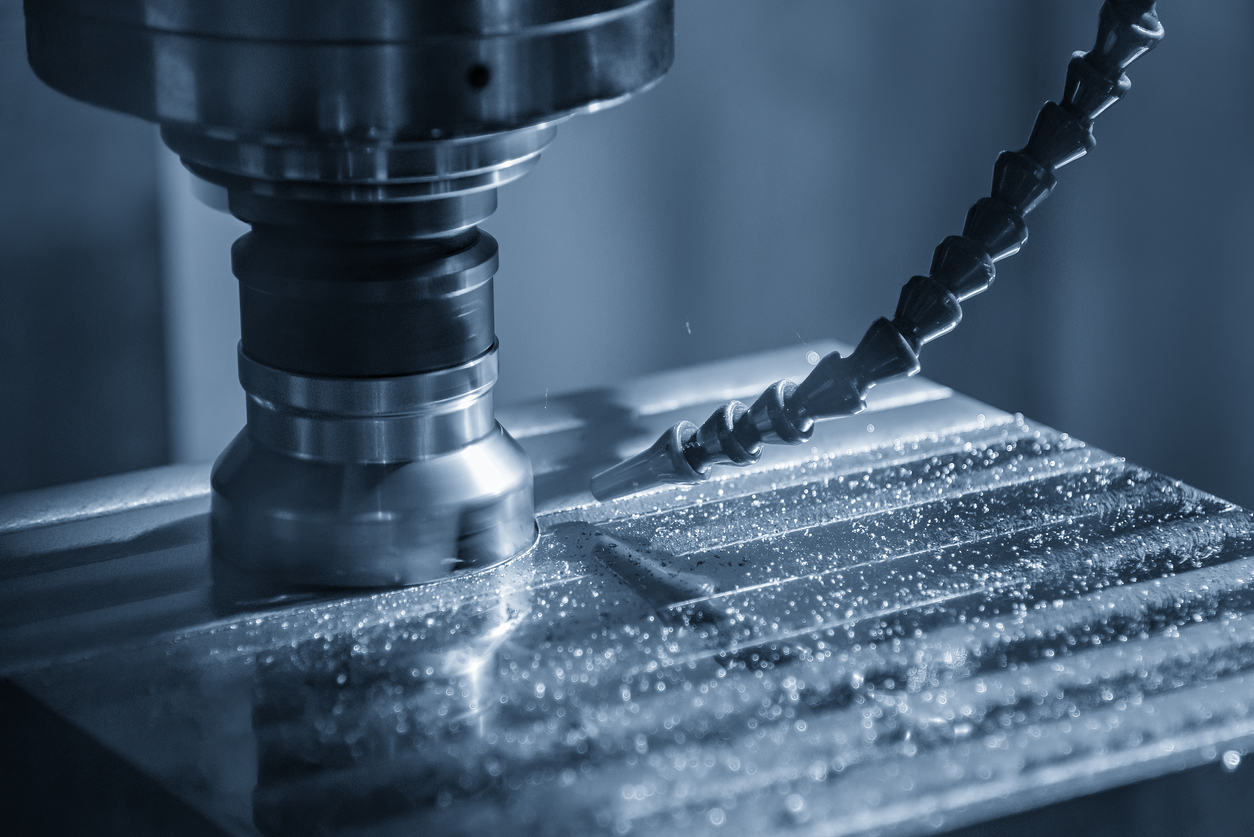
Milling is a machining process that involves the removal of material from a workpiece using a rotating cutter. The Milling Cutter is the heart of this operation. It features multiple cutting edges that, when rotated against the workpiece, efficiently remove chips to create desired shapes and features. Milling is widely used in industries ranging from automotive and aerospace to construction and beyond.
Key Features and Advantages of Milling Cutters
Let’s delve into the essential features and benefits that make Milling Cutters a powerhouse in machining:
- Precision Machining
Milling Cutters are engineered with meticulous precision. They enable the production of components and parts with tight tolerances and accurate dimensions, making them vital for industries where precision is critical.
- Versatility
Milling Cutters come in various types, each designed for specific applications. Whether you need to create slots, contours, or complex 3D shapes, there’s a Milling Cutter suited to the task. This versatility allows manufacturers to adapt to diverse production requirements.
- Efficiency
Milling is known for its efficiency and speed. Milling Cutters can remove material rapidly, reducing production time and costs. The precise control they offer over the machining process ensures minimal waste and maximized material utilization.
- Surface Finish
Milling Cutters can achieve outstanding surface finishes on workpieces. The result is smooth surfaces that often eliminate the need for additional finishing steps, saving both time and resources.
- Wide Material Compatibility
Milling Cutters are suitable for various materials, including metals, plastics, and composites. This adaptability makes them invaluable across multiple industries, from metalworking to woodworking and beyond.
Applications Across Industries
Milling Cutters find applications in a multitude of industries:
- Automotive: Milling is used to create engine components, transmission parts, and intricate molds.
- Aerospace: The precision of Milling Cutters is essential for crafting aircraft components, including turbine blades and structural elements.
- Construction: Milling is used to create custom architectural elements, structural components, and molds for concrete products.
- Woodworking: In the woodworking industry, Milling Cutters shape and finish wood products, from cabinetry to furniture.
- Medical: Milling is employed in the production of orthopedic implants and surgical instruments, where precision is non-negotiable.
Shaping the Future of Manufacturing
In conclusion, Milling Cutters are at the forefront of modern manufacturing, enabling precision, versatility, and efficiency in the creation of a wide range of products and components. Whether you’re crafting intricate aerospace parts or shaping custom woodworking projects, Milling Cutters are your partners in achieving the highest standards of machining excellence.